What a real day of running an automation agency from Bali actually looks like
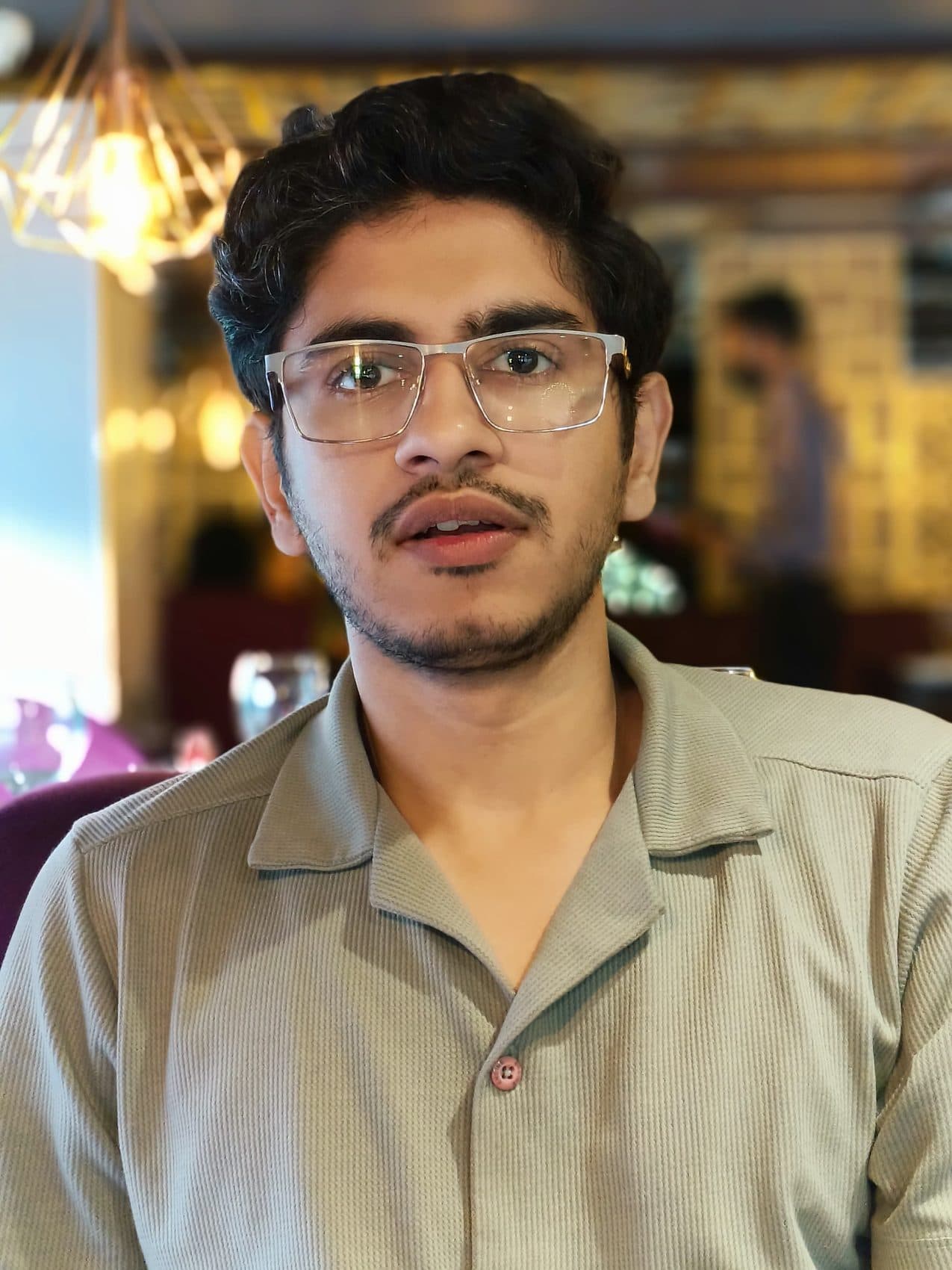 By Waseem Nasir · Founder, SkynetLabs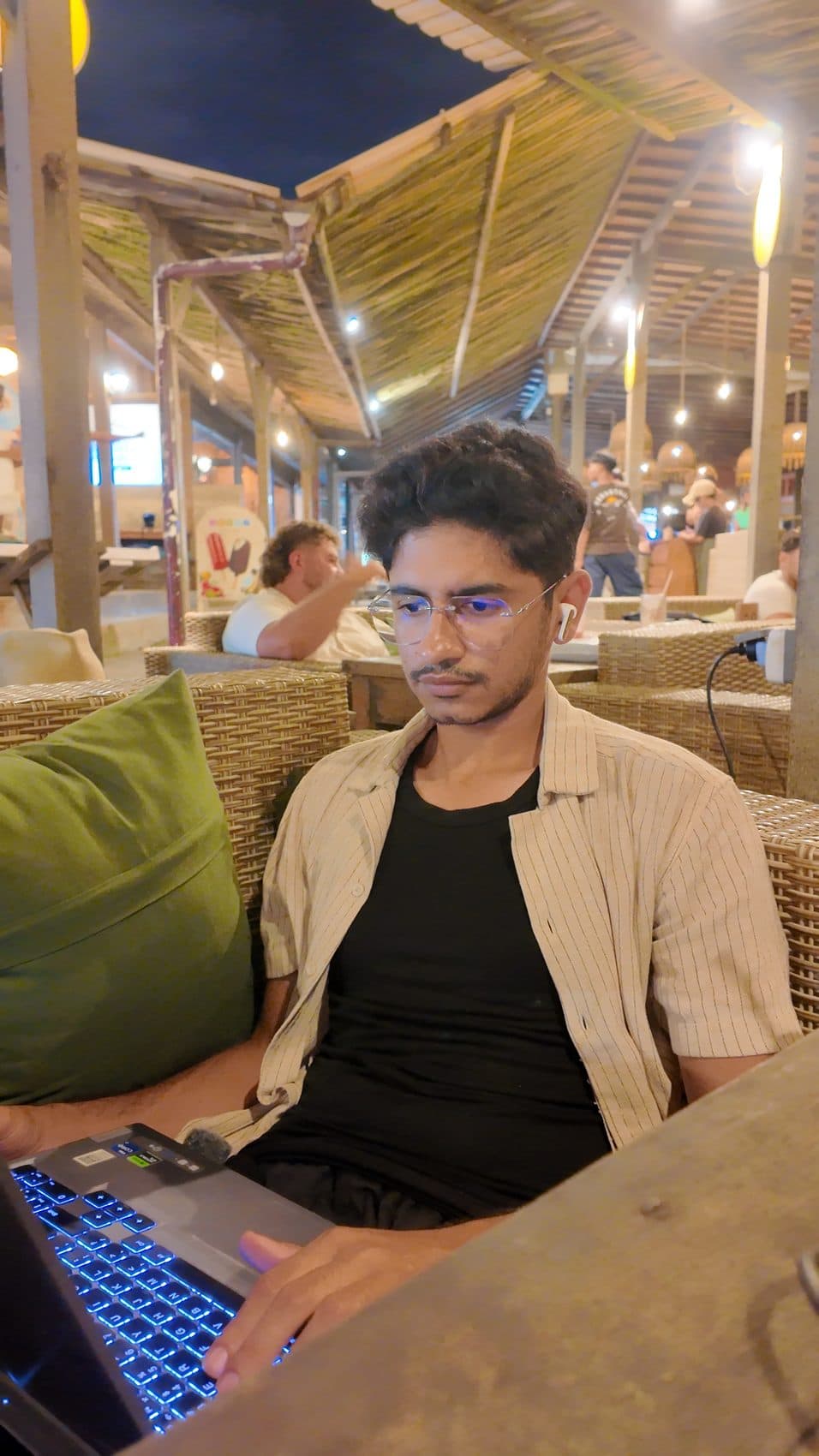
It's 5:40 in the morning and the only light in the cafe is my laptop. The espresso machine isn't on yet. Bali is still dark outside, the roosters have started, and I have maybe two hours before the messages begin — the quietest, most useful window of my day.
People imagine running an automation agency from Bali as a postcard: a laptop on a beach, a coconut, passive income while the robots work. The truth is closer to this — a dim room, a strong coffee, and a list of things that are quietly on fire. I want to walk you through one actual day, because I think the honest version is more useful than the postcard.
The morning fire
Today it starts with Italy. I build and maintain a WordPress booking plugin for Idea Viaggi, a family travel agency — the one that gates each customer so they only ever see the trips they actually booked. I'd shipped version 2.9 the week before. Overnight, their site went to load it and hit a wall: the hosting firewall was silently blocking the plugin's update call. Nothing in the logs said "firewall." It just failed, the way the worst bugs do: silently, and only on their server, never on mine.
This is the part of the job nobody sees. The code was fine. The plugin was fine. The problem lived in the gap between my machine and theirs, in a security rule someone set two years ago and forgot. So the first hour of my day isn't building anything. It's reading a WAF ruleset in a language I half-read, reproducing a failure I can't see, and messaging a client on the other side of the world who is about to wake up and want to know why.
Most of what I actually do isn't writing clever code. It's standing in the gap between how a business thinks it works and how it really does.
I trace it, confirm it's the firewall stripping the request, and write up the exact rule they need their host to allow. Not glamorous. But their booking flow is breathing again by the time Lombardy is drinking its first coffee, and that's the whole job, really — being the person who makes the fire go out before the client has to panic about it.
The quiet middle
By mid-morning the room has filled and the espresso machine is screaming. This is when the day gets strange in a good way. I'm not typing every line anymore. I run a lot of my build work through Claude Code now — I describe the system I want, review what it drafts, correct it, and run it. So while one agent is scaffolding a piece of a client's workflow, I'm across the room with a DJI Pocket camera, filming b-roll for a video that has nothing to do with that build.
It still catches me off guard. Two years ago a task like that was a full afternoon of me hunched over a keyboard. Now the machine drafts while I'm shooting a clip of the rice fields, and I come back, read what it wrote, and fix the three things it got wrong. That's the actual shape of "AI automation" in my day: not magic, not hands-off, but a second pair of hands that never gets tired, that I still have to supervise like anything else.
The rest of the middle is ordinary and I've made peace with that. The insurance retainer client's email triage — the system that reads their inbox, sorts it, and drafts replies — needed a new rule for a case it hadn't seen. A Lahore dental practice's front-desk flow needed a reminder message reworded. None of it is a headline. All of it is someone's Tuesday getting a little easier because a system I built is doing the boring part.
The ship, and the honest cost
Evening is when I ship. Today it's a batch of social content going out through GHL — I've pushed a couple thousand posts through that pipeline over the last few months, and watching a scheduled queue fill up is one of the small satisfactions of this work. Something you built runs without you in the room. That's the entire point.
But I said I'd be honest, so here's the cost. Bali is beautiful and Bali is far. My clients are in Italy, the US, Pakistan, and my closest collaborators are a laptop screen and a queue of unread messages that arrive while I sleep. There are nights the work is done and the room is warm and I still feel the distance of it — everyone I'm building for is asleep on the other side of the planet. Nobody tells you that the freedom and the loneliness are the same feeling wearing two shirts.
So I keep one rule and I don't break it: no eight-hour days. Not because I'm lazy — because the work I do is the kind that will happily eat every hour you feed it. There is always another leak to close, another workflow to harden. If I let it, this job becomes the whole life. The cap isn't a productivity hack. It's the thing that keeps me a person who happens to run systems, instead of a system that happens to be a person.
How I actually got here
None of this was the plan. Before the agency, before Bali, I worked inside accounting firms. QuickBooks, payroll runs, spreadsheets that had grown into small unmaintained cities. That's where the whole thing started, though I didn't know it at the time.
Because when you do payroll by hand, you learn something in your bones: most of the work a business does isn't thinking, it's copying. Numbers from one sheet to another. The same reminder, retyped. The same reconciliation, every month, forever. I kept catching myself thinking, a machine should be doing this. Not to replace the people — to give them back the hours the copying was stealing.
I never lost that instinct. I just changed the tools. The spreadsheets became n8n flows and booking front-ends and inbox triage bots, and the firm became a few clients a month, scattered across a handful of time zones. But the actual skill is the same one I learned doing payroll: sitting with how a business really runs, finding the part that's quietly bleeding time, and closing it. Accounting taught me to see the leak. Code just lets me weld it shut.
That's a day. A fire in the morning, a strange quiet build in the middle, a ship in the evening, and a rule I keep so the whole thing stays worth it. Not a postcard. But I wouldn't trade it.
If your business has a leak like the ones in this story, I'll help you find it.
Book a free 30-min call →No pitch. Bring your messiest manual process and leave with a 1-page automation map.